

By Ava Peterson
In Marshall and similar communities across rural Minnesota, artificial intelligence isn’t just for tech companies or big cities anymore—it’s showing up in our homes, jobs, and daily routines. From new startup ideas to the gadgets sitting on your kitchen counter, AI is shaping our lives in ways both big and small.
Chatbots, Assistants, and You
Almost half of U.S. adults now use AI chatbots like ChatGPT, Gemini, or Copilot, and many of us are discovering how these tools can help with searching for information, tackling work tasks, or even getting creative ideas.
At the same time, fewer people believe AI is advancing at just the right speed—most worry it might be moving too fast, especially when it comes to privacy and personal data protection. These concerns are especially loud among folks who aren’t early adopters.
Smart Homes and Wearables: Convenience Gets Clever
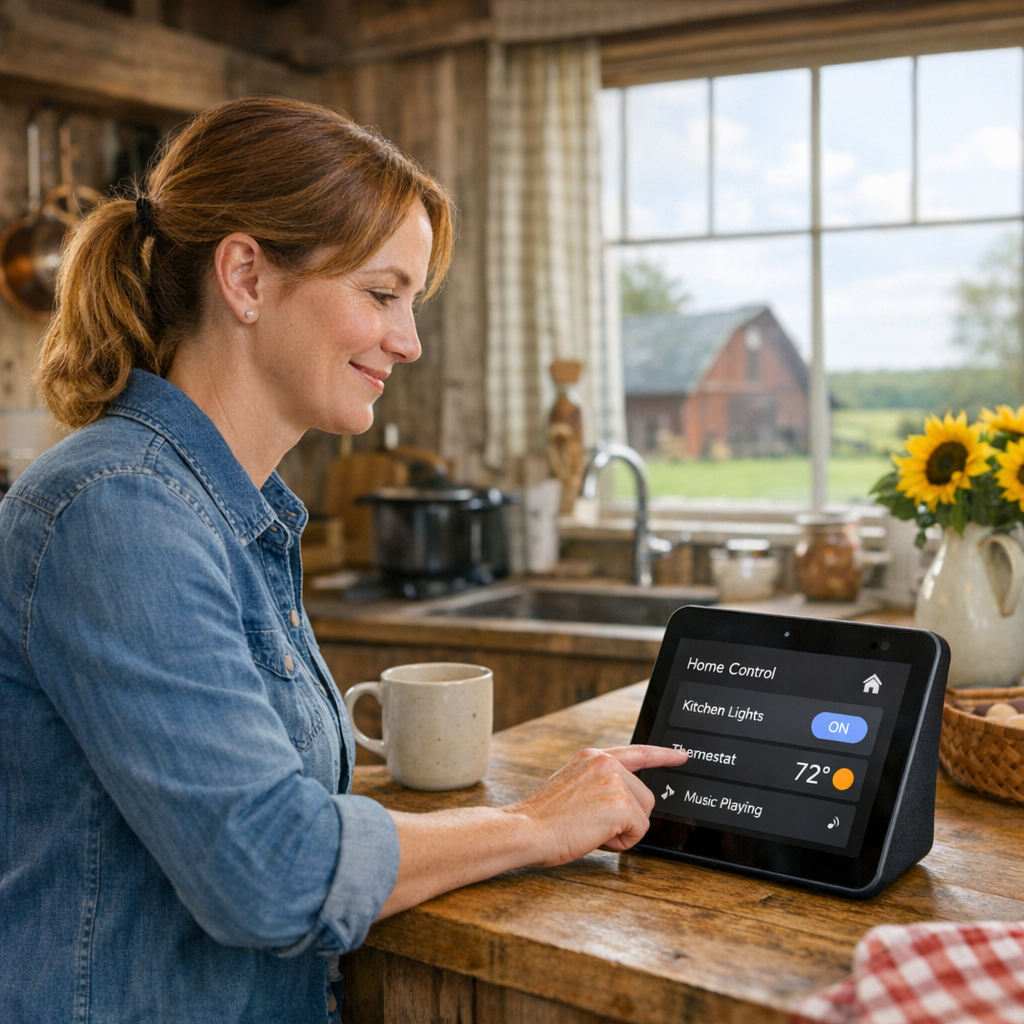
Home automation is becoming more common: robot vacuums, smart speakers, video doorbells, and AI-enabled thermostats are now features in many households. These gadgets aren’t just luxury; in Marshall it’s about making life easier—saving time on chores, managing energy use, keeping an eye on security, even when you’re out of town.
Similarly, wearables like smartwatches aren’t just for counting steps anymore—they help monitor sleep, manage health goals, and keep you connected without always pulling out your phone. It’s technology working behind the scenes to make small moments just a little better.
Startups and Rural Communities
Though Minnesota’s metro areas tend to lead in adopting AI tools, rural communities like Marshall face different challenges: slower broadband, fewer tech events, and less investment. But that doesn’t mean opportunity is scarce.
Marshall’s business landscape includes entrepreneurs exploring AI-driven agriculture tools, precision farming, and local service innovations. Universally, people here want technology that respects privacy, supports local values, and responds to specific needs—whether that’s helping with crop planning, or making telehealth more reliable.
Why It Matters—and What Comes Next
- Productivity gains, with trade-offs: Many people report that AI tools boost efficiency and reduce repetitive tasks, freeing up time. Yet there’s concern about over-reliance, job displacement, and data security.
- Uneven access: Broadband quality, device cost, and tech literacy vary widely. In places like Marshall, access is improving, but gaps remain.
- Trust and ethics: Knowing how your data is used, having control over what smart devices do, and ensuring local voices are heard in design all matter.
For Marshall residents, embracing AI doesn’t mean adopting every new gadget—it means choosing tools that make life a bit easier, while preserving what we value: privacy, community, and self-reliance. As smart tech becomes more embedded in daily life, our role is to ask the right questions and demand the tech serves *us*, rather than the other way around.