
By Emma Nelson
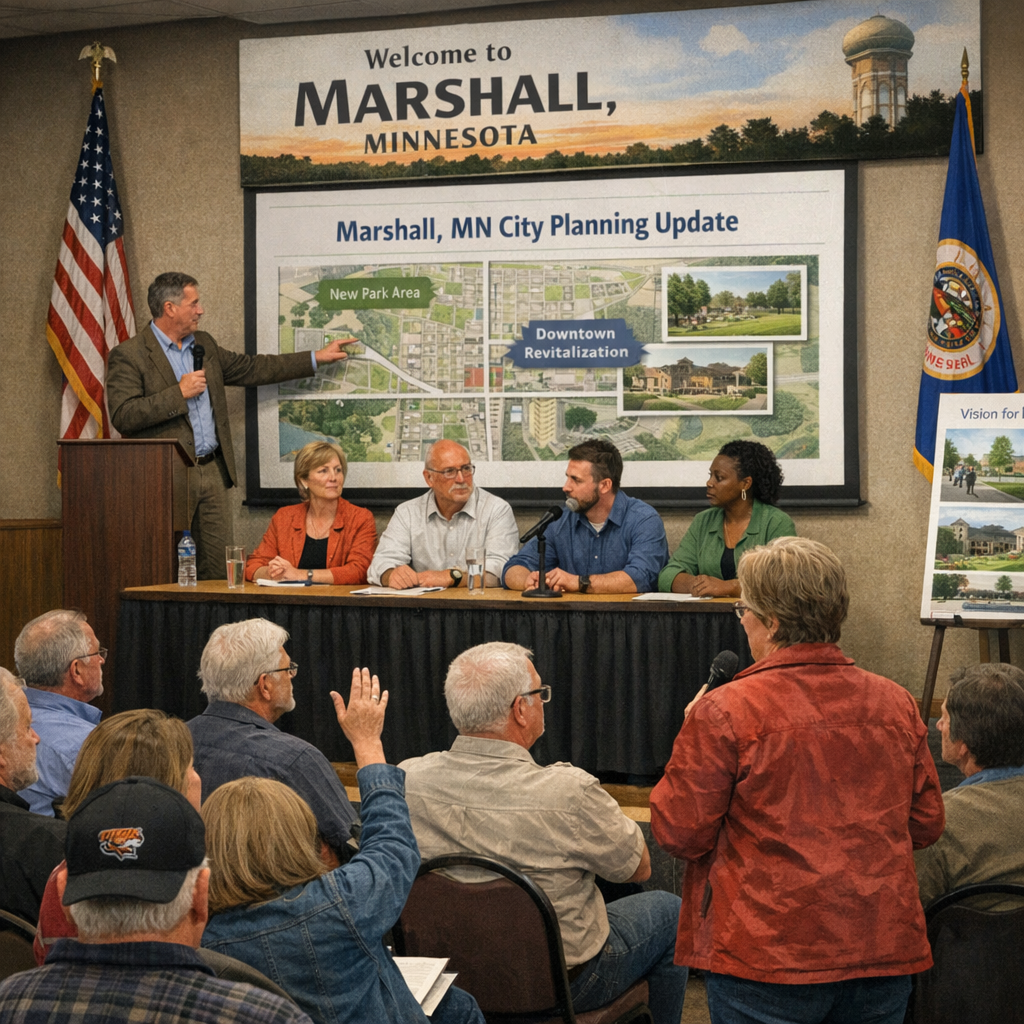
Marshall is going through considerable changes—industrial growth, rising demand for housing, and evolving infrastructure needs are all front of mind in the city’s ongoing planning efforts. A public survey conducted by the City of Marshall, gathered over 400 responses, reveals where community priorities lie. These concerns and hopes will help shape policy choices in the coming years.
Top Concerns Raised by Residents
The survey identified several recurring themes:
- Housing supply and affordability: Many respondents fear growing housing costs, particularly for young families, seniors, and people with moderate incomes. There’s strong demand for more single-family homes, townhomes, and options that don’t require high subsidies.
- Traffic and transportation: With expansion and new industrial projects like the Blue Oval plant underway, residents are already seeing increased traffic, especially heavy truck traffic downtown. There’s concern this will impact safety and quality of life unless addressed.
- Infrastructure and public services: Growth is raising the stakes for adequate roads, water and sewer systems, emergency services, and public amenities. Many worry that older systems may be pushed beyond capacity.
- Environmental and health impacts: Proximity of industrial areas to residential neighborhoods, pollution, and risks related to water quality and air quality surfaced often. Some shared fears over oversight, leaks, or long-term effects from industrial operations.
- Community identity and character: A recurring theme is balancing growth while keeping that small-town feel. People don’t want Marshall transformed beyond recognition. Preserving downtown charm, parks, historic buildings, and natural spaces matters.
Opportunities and What Can Be Done
Survey respondents didn’t just list concerns—they also see possibilities. Key suggested steps include:
- Smart development: Focusing new residential and commercial growth within established boundaries where services already exist, rather than expanding outward rapidly. This can help reduce infrastructure costs and preserve open space.
- Supporting local business: Many believe small-town appeal depends in part on a vibrant downtown and local shops. Opportunities include helping local merchants, controlling chain development patterns, and keeping storefronts active.
- Enhanced parks and natural assets: Respondents want to see upgrades in parks, trails, and public green spaces—not only for recreation, but also to strengthen Marshall’s identity and attract young families.
- Transparent and health-centered planning: Ensuring industrial oversight, environmental monitoring, and inclusive public engagement are all key to building trust and ensuring growth doesn’t come at the expense of health or well-being.
What This Means for Local Leaders
For city officials, the survey’s findings offer guidance for policy direction:
- Set clear priorities on affordable housing: identifying land, supporting modular build-outs, or incentivizing builders to include lower-cost units.
- Invest in transportation infrastructure, especially in and around downtown areas, to manage truck traffic, improve safety and reduce congestion.
- Strengthen regulations around industrial development, environmental reviews, and ensure impact assessments for public health.
- Protect community character through preservation of historic sites, support for local businesses, and thoughtful design standards.
- Engage residents proactively through public hearings, transparent data sharing, and participatory planning processes.
Marshall stands at a crossroads. The decisions made now will shape not just growth, but the kind of community this becomes—welcoming, livable, and true to its roots. Residents have weighed in; it’s time for policies and projects that reflect both the hopes and the concerns they shared.