
As the United States approaches the midterm elections, the nation grapples with economic challenges intertwined with political dynamics. Recent polls indicate a growing public dissatisfaction with the current administration’s economic policies, reflecting broader concerns about financial stability and governance.
Public Sentiment on Economic Policies
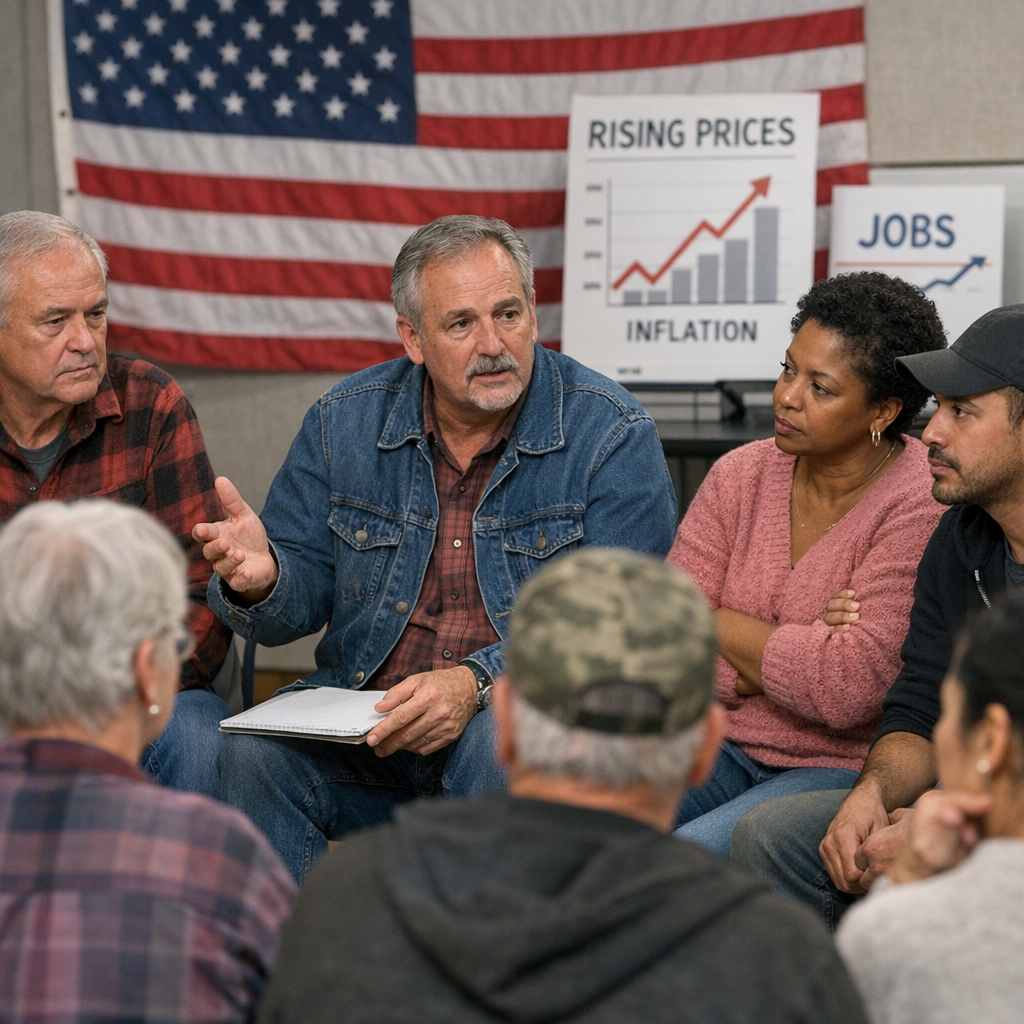
A CBS News/YouGov poll conducted in mid-May reveals that 70% of Americans feel “angry” or “frustrated” about the administration’s handling of the economy. This sentiment is influenced by rising energy costs and inflationary pressures, which have significantly impacted household budgets.
Economic Indicators and Challenges
The International Monetary Fund (IMF) projects U.S. economic growth at 2.4% for the fourth quarter of 2026, with unemployment expected to decrease to 4.1%. However, the IMF also warns of risks associated with increasing federal debt and the potential impact of tariffs on economic stability.
Political Implications
The intersection of economic concerns and political developments is evident as the midterm elections approach. Redistricting efforts and shifts in voter sentiment may influence the political landscape, with potential implications for future economic policies and governance.
Looking Ahead
As the nation navigates these complex challenges, it is crucial for policymakers to address economic concerns while fostering public trust in the political system. The coming months will be pivotal in shaping the trajectory of the U.S. economy and its political landscape.